
By Ger Molloy – The Irish Channel
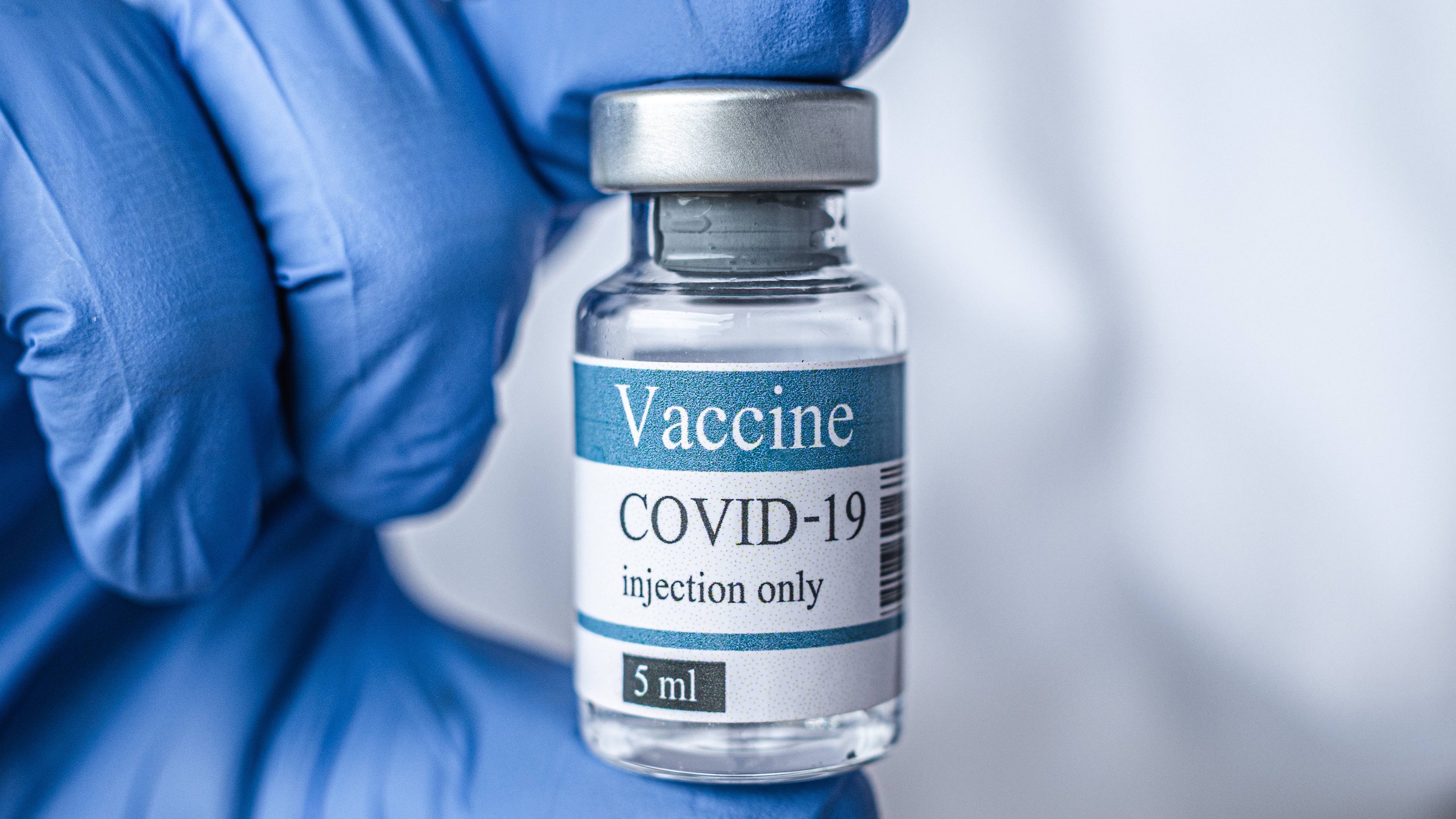
COVID-19 vaccine-related legal claims against the Irish State have reached 94, according to figures reported in August 2026. The figure provides a later update to the more than 80 claims cited in this publication’s earlier coverage, indicating that the number has continued to climb.
The latest reported total relates to claims notified to the State Claims Agency by the end of July 2026. Health Minister Jennifer Carroll MacNeill confirmed that the figure includes vaccine-related wrongful death claims, although the report does not provide a separate numerical breakdown of those cases.
Alongside these legal proceedings, the Government has been developing proposals for a separate vaccine damage compensation scheme. This raises a significant question for people who believe they have suffered a vaccine-related injury: when will the proposed scheme become available, and what support will it provide?
A Separate Compensation Proposal
In June 2025, the Minister for Health told the Dáil that significant work had been completed on a model for a vaccine damage scheme. She indicated that she intended to bring the model to Cabinet for discussion and consideration.
Official minutes from the HSE Dublin and South East Regional Health Forum in March 2026 subsequently recorded correspondence from the Minister confirming that a model had been developed and would be brought to Cabinet for consideration.
However, as of this update on 2 October 2026, no subsequent official announcement confirming an operational scheme, application opening date, final eligibility criteria or payment amounts has been verified. Its eventual coverage of COVID-19 vaccine injuries also requires clarification.
The distinction matters. Developing a proposal is a step towards a possible scheme, but it does not yet give potential applicants a confirmed process through which to seek payment.
What the Claims Figures Mean
The State Claims Agency already manages legal claims against State bodies. Its involvement in vaccine-related cases is part of that existing function, rather than evidence that a new compensation scheme has opened.
The total of 94 represents legal claims, not 94 established findings that vaccination caused an injury. Nor does the reported figure establish how many claims have succeeded, resulted in settlements or led to compensation payments.
Similarly, the earlier figure was reported as “more than 80”. It therefore supports a comparison with the later total, but cannot reliably establish an exact increase of 14 cases.
For affected individuals and their families, the next meaningful development would be a clear Government announcement explaining whether the proposed scheme has been approved, who could qualify and how applications would be assessed.
The rising reported claims total keeps the issue in public view. The outstanding question is whether the compensation proposal will become an accessible, operational route to support—and on what terms.